


An empty stalk is never an empty day
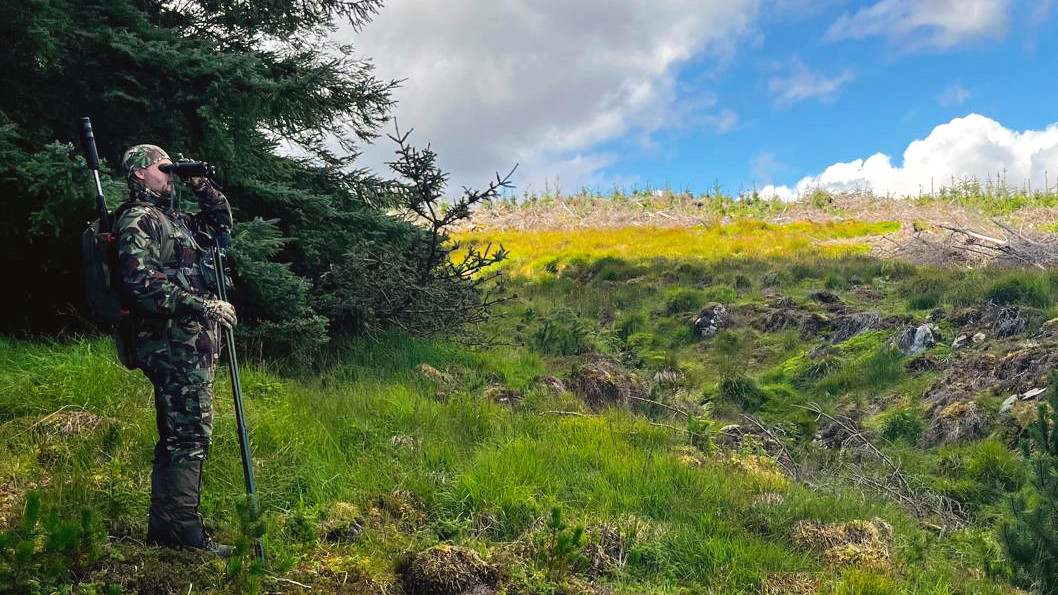
Not every successful stalk ends with a deer on the ground. Sometimes what you bring home is a better understanding of the ground you walked.
We often measure a day's stalking by the final outcome. Did we see deer? Did an opportunity present itself? Did we ultimately harvest an animal?
But some of the most useful days on the hill end with the rifle unfired and the knife never leaving its sheath.
I had one of those days recently.
There was no stag to bring home, but slowing down and paying attention to the ground told me a great deal about what the deer were doing and, perhaps more importantly, what they weren't doing.
Reading the Signs
It quickly became apparent that the stags hadn't fully moved into the area from the hills, but there were signs that things were beginning to change.
Fresh scars on trees and disturbed moss beds suggested some were starting to clean the velvet from their antlers. The deer themselves weren't standing in front of me, but they'd left enough behind to tell me they'd been there.
That's one of the things I enjoy about stalking. You're not simply looking for deer; you're learning to read the evidence they leave behind.


Plenty of Movement, But Little Feeding
The deer trails showed plenty of activity. Along many of them, the tips had been neatly taken from grass shoots as the deer grazed while moving through.
What was noticeably absent were larger areas showing signs of prolonged feeding.
There is currently an abundance of food available, and that may explain why very few hinds were showing themselves during daylight. My impression was that they were able to feed extensively through the night before spending much of the day tucked into the tree line and forest, browsing on whatever was available within the cover.
From a stalking perspective, that can be frustrating.
From the deer's perspective, it makes perfect sense.
Our job isn't to expect the deer to be where we'd like them to be. It's to understand how they're using the ground and adapt accordingly.
Learning From What's Missing
Perhaps the biggest lesson of the day came from what wasn't there.
There were well-used trails, grazed grass and signs of stag activity, but few heavily used feeding areas, very few hinds showing during daylight and little indication that the stags had fully moved down from the hills.
Individually, those observations don't tell you much. Together, they begin to build a picture.
And that's valuable information for the next stalk.
The ground is constantly changing. Food, weather, pressure and the time of year all influence how deer behave. Learning where deer live is useful; understanding how they're using that ground right now is far more valuable.
The Knife Stayed in Its Sheath
There's something I rather like about the fact that my knife stayed in its sheath all day.
We make hunting knives to work, but carrying one doesn't mean hoping for an excuse to use it.
The knife is only one small part of stalking.
Observation, Patience, Understanding the animal and respecting the quarry come first.
The tools are there when the work needs doing.
Nothing more.
I Didn't Come Home Empty-Handed
I didn't bring a stag home.
But I learned that they weren't fully into the area yet. I found signs of them beginning to clean their antlers. I gained a better understanding of where the hinds might be spending the daylight hours and saw how the abundance of available feed appeared to be influencing their behaviour.
Most importantly, I left with questions I want to answer the next time I'm out.
That's the value of an empty-handed stalk.
If the only thing we took from stalking was the animal at the end of it, we'd be missing much of what makes it worthwhile.
The tracks matter. The wind matters. The scarred trees and grazed grass matter. The hours spent quietly trying to understand an animal in its own environment matter.
Not every stalk ends with a deer on the ground.
But if you pay attention, very few of them leave you with nothing.
From the Forge to the Field
At Wildriver Forge, the same principles that matter in the workshop matter to us in the field: patience, observation, respect and taking the time to do things properly.
Our hunting knives are made to earn their place through years of use. Some days they'll be called upon to work.
Other days they'll never leave the sheath.
Both are part of the story.


Comments